Wellbeing services counties operate under constant financial pressure.
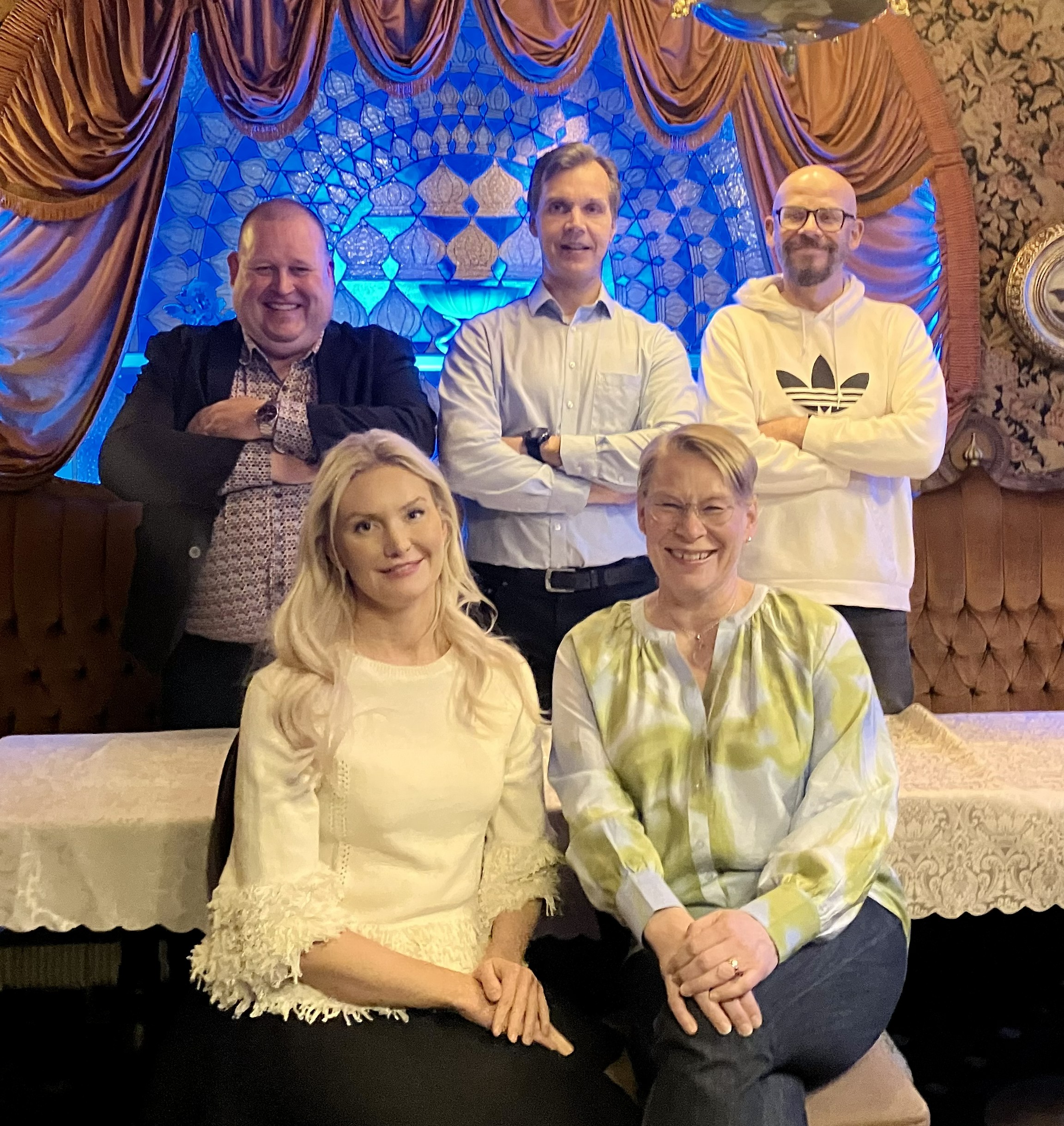
However, the discussion within the MediMatcher Vision Board did not start with cost-cutting, but with everyday work: where time actually goes and what slows things down.
One observation stood out quickly.
Costs are not driven only by resources, but by how the work is organized.
“I strongly support solutions that save money.”
– Paulus Torkki
The question then becomes simple: where do those savings actually come from?
When the process works well, many things become simpler.
“You’d be surprised how much time goes into clicking through everything. Once that’s smoother, there’s more time for what actually matters.”
– Antti Niemi
This is not about isolated improvements, but about enabling work to move forward without interruptions, delays, or overlapping steps.
Another perspective also came up in the discussion, one that is often overlooked when talking about costs.
“Having the chance to reflect on your career and development is a key part of a well-functioning working life.”
– Heljä Lundgren-Laine
When professionals are able to make considered choices, outcomes improve: roles and people match better, and work becomes more sustainable.
In the end, this is not about incremental optimization or individual measures.
It is about how everyday work is structured.
As unnecessary work decreases, workflows become smoother and more transparent, and matches improve, cost impact follows naturally.